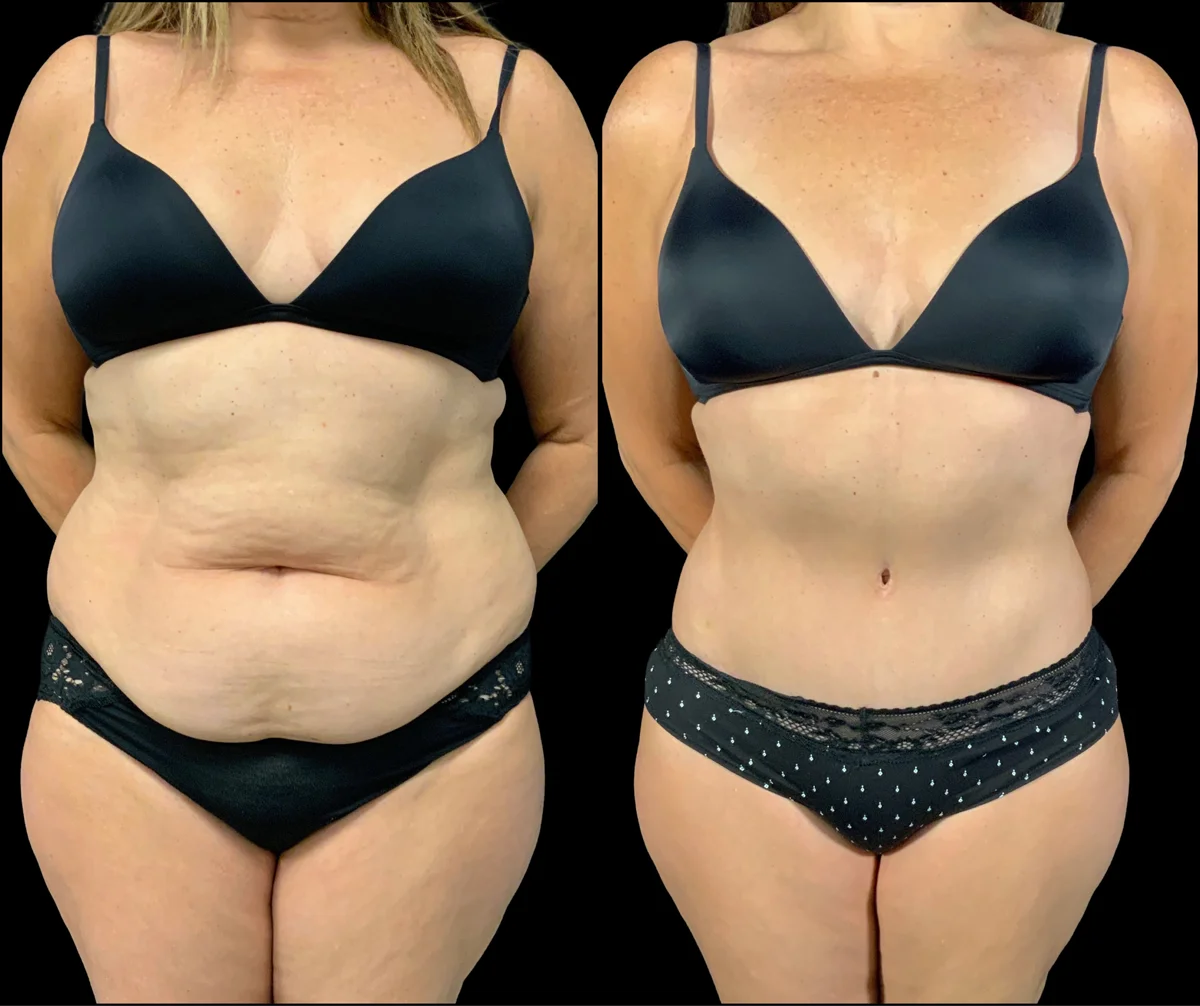
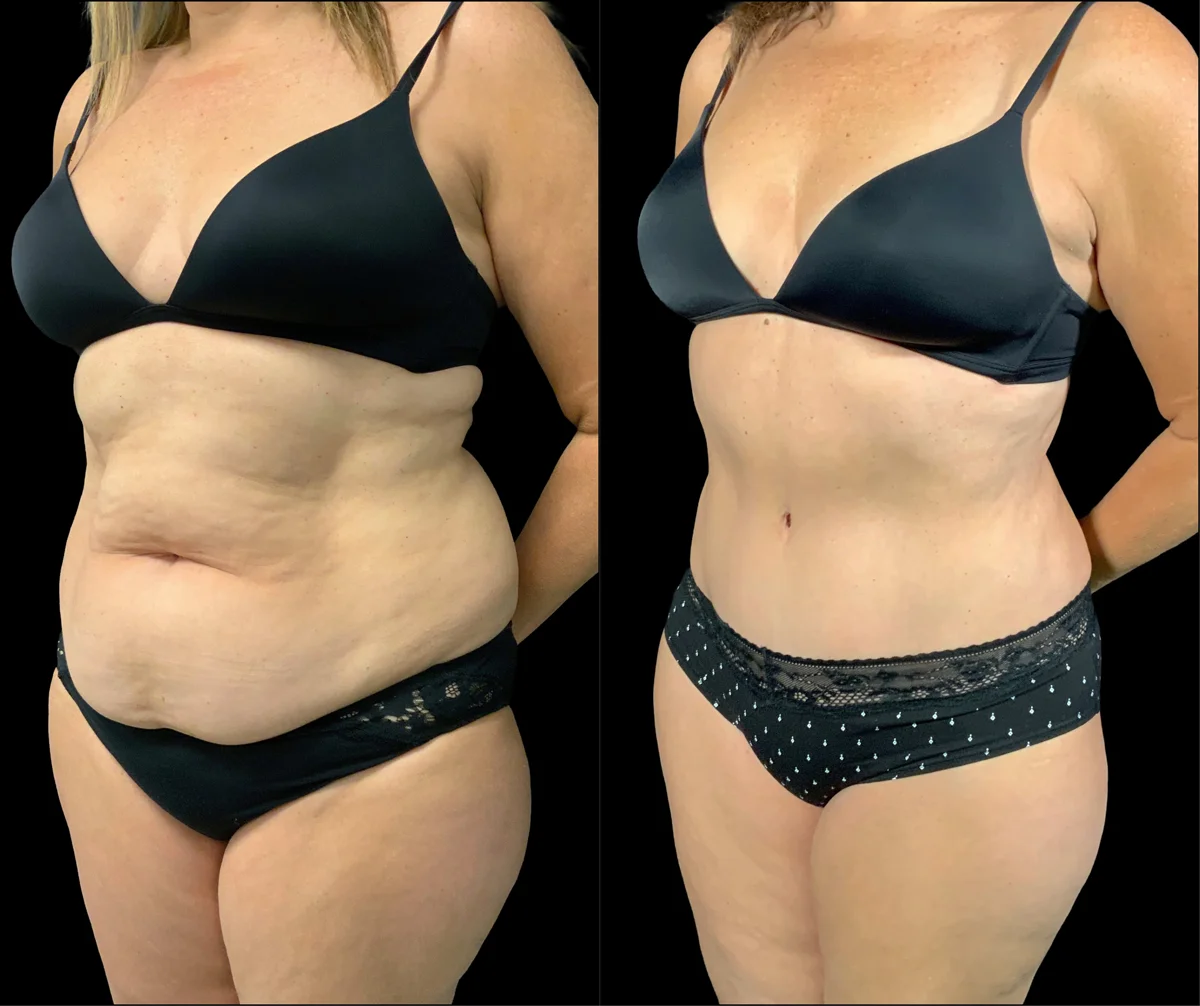
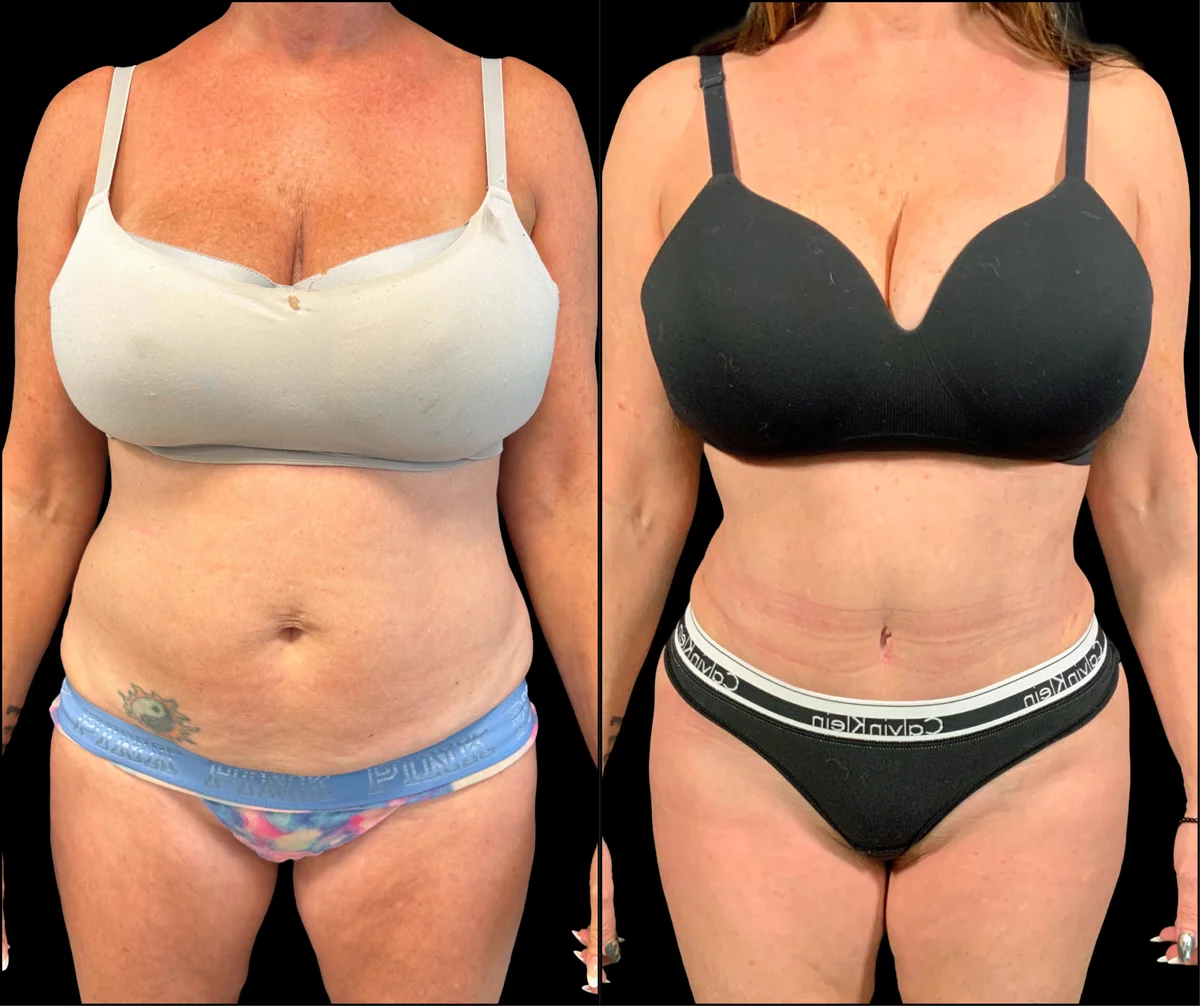
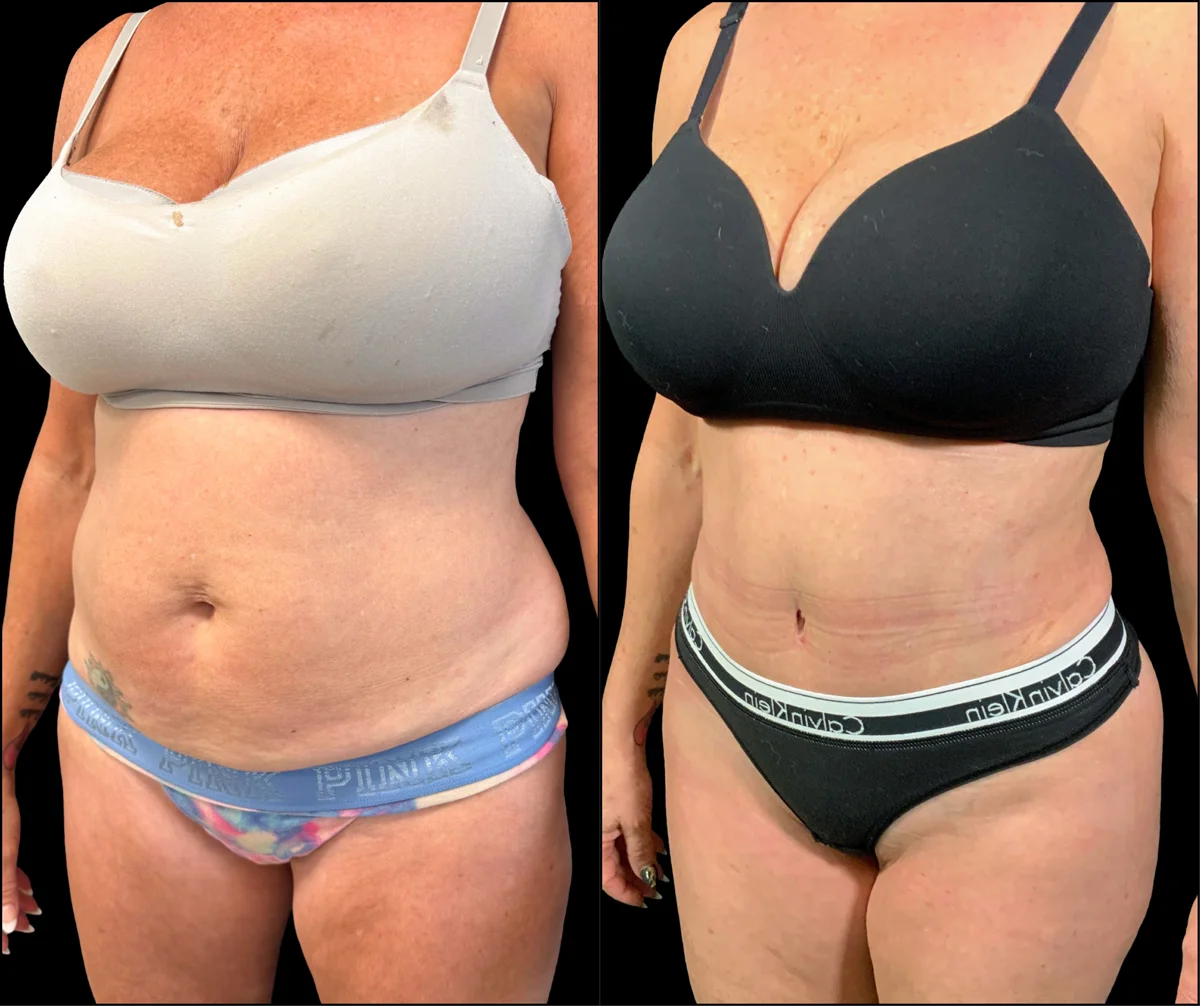
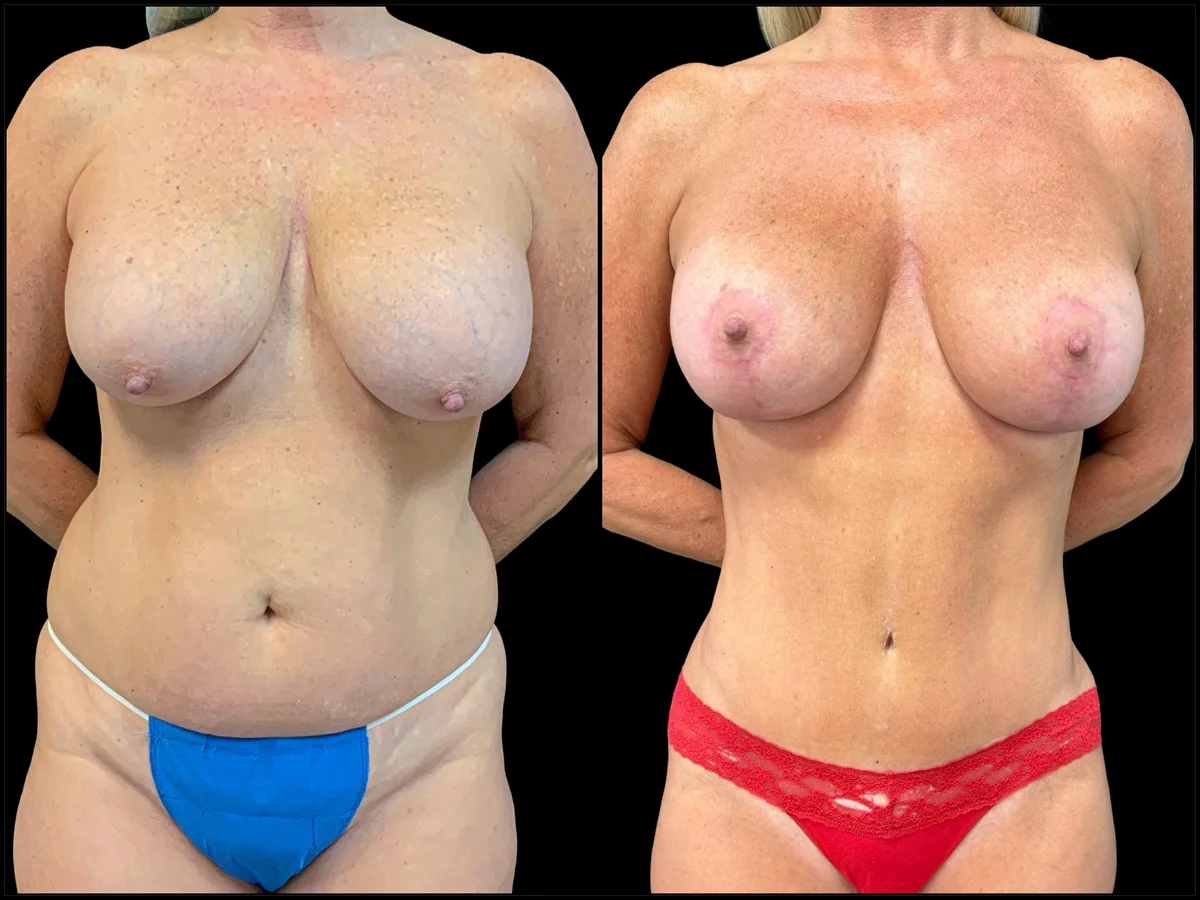
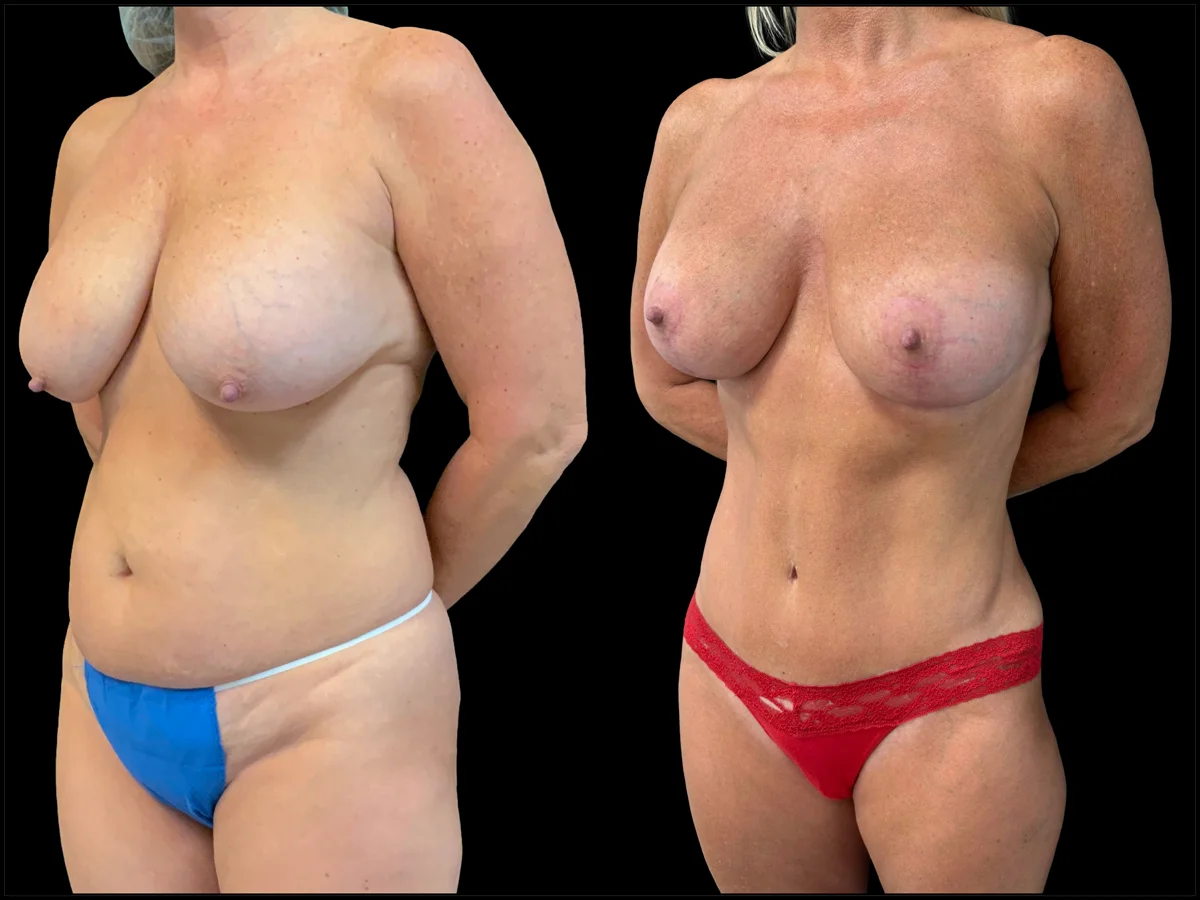
One of the most common questions I hear during consultations is: “Why can’t I just do liposuction instead of a tummy tuck?”
It is an understandable question. Liposuction usually sounds easier. It involves smaller incisions, it is often marketed as a contouring procedure, and many patients naturally wonder whether it can give them the abdominal transformation they are looking for without the scar or recovery of a tummy tuck.
My answer is always the same: liposuction and tummy tuck surgery are not interchangeable procedures. They are designed to solve different problems.
Liposuction is designed to treat fat. A tummy tuck is designed to treat the full anatomy of the abdomen, especially the changes that commonly happen after pregnancy or major weight fluctuation.
That difference matters.
Liposuction permanently removes fat cells from targeted areas. When used in the right patient, it can be a phenomenal procedure. A fit patient who is close to their ideal body weight, has good skin quality, and has a stubborn pocket of fat along the lower abdomen, waist, or flanks may do beautifully with liposuction alone.
But liposuction does not directly remove excess skin. It does not repair separated abdominal muscles. It does not reposition or improve the belly button. It does not remove a C-section scar or address an overhanging fold of skin. It contours by removing fat, and then it relies on the skin to shrink and redrape.
That is where patient selection becomes everything.
If the skin has good elasticity, little to no stretch marks, and no true excess, liposuction may allow the skin to contract nicely. But if there is already loose skin, stretch marks, a lower abdominal fold, or a belly button that is hidden or distorted by skin laxity, removing fat alone may actually make the looseness more obvious.
This is why I tell patients that liposuction is a contouring procedure. It is powerful, but it has limits.
A tummy tuck, or abdominoplasty, is designed to address multiple layers of the abdominal problem.
In the right patient, it can:
That is why, for many mothers seeking a true “mommy makeover” transformation, liposuction alone is usually not enough. The issue is rarely just fat. It is often a combination of skin, muscle, fat distribution, scar position, belly-button changes, and overall trunk contour.
The tummy tuck is simply designed to address more of those variables.
After pregnancy, the abdomen often changes in several ways at once.
The skin stretches. The collagen quality may change. Stretch marks may develop. The lower abdominal skin may hang over a C-section scar. The belly button may become wider, hidden, or distorted. The abdominal muscles may separate in the midline, creating a protruding or “loose” feeling even in a woman who is fit and strong.
This is why I do not evaluate the abdomen as a simple fat problem. I evaluate it as an anatomical problem.
A patient may tell me, “I just have this lower belly fat that will not go away,” but on exam, I may find that the real issue is not fat alone. It may be loose skin, a widened muscle separation, and a small amount of fat sitting over a weakened abdominal wall.
If I were to treat that patient with liposuction alone, I might reduce some fat, but I would not make the abdominal wall flatter. I would not remove the skin excess. I would not improve the belly button. I would not repair the underlying separation. In that situation, the patient would likely feel disappointed because the procedure did not treat the real cause of her concern.
There are absolutely patients for whom liposuction alone is the better choice.
The ideal liposuction candidate is usually close to their goal weight, physically fit, and bothered by focal areas of stubborn fat that do not respond to diet or exercise. The skin should have good elasticity, minimal or no stretch marks, and no significant loose skin.
The classic example is a patient with stubborn flank fat or a localized lower abdominal fat pocket, but otherwise good tone and skin quality. In that case, removing fat can improve not only the local area but the overall harmony of the body.
I think of liposuction as a “plus-minus” procedure. By subtracting fat from one area, we can visually accentuate an adjacent area. Removing fat from the waist and flanks, for example, can help reveal more feminine shape through the waist-to-hip transition.
But the key is that the skin has to be able to tolerate that change. If the skin is already excessive or poor quality, removing fat underneath it will not create the same result.
A tummy tuck becomes the better option when the patient’s anatomy includes more than fat.
That may include:
For these patients, the advantage of a tummy tuck is that it is more comprehensive. It does not simply remove fat. It tightens, repairs, removes, redrapes, and reshapes.
That is why the result can be more predictable and more powerful in the right patient.
Although liposuction alone may not be enough for many post-pregnancy abdomens, liposuction is still extremely valuable when combined with a tummy tuck.
The tummy tuck removes skin and tightens the abdominal wall. Liposuction then allows me to refine the surrounding contour. Without liposuction, a patient may end up flatter in the front but still boxy through the waist. That is not usually the goal.
My aesthetic philosophy is not simply to make the abdomen flat. My goal is to restore a feminine silhouette. I want the waist and hip relationship to look natural, balanced, and elegant. I want there to be a smooth transition from the upper body to the lower body. I want the abdomen to fit the patient’s frame, not look surgically flattened in isolation.
That is where liposuction becomes an important contouring tool during a tummy tuck. It helps shape the waist, flanks, and surrounding areas so the final result is not just flatter, but more harmonious.
The better question is: “Which procedure matches the anatomy?”
Liposuction is excellent when the issue is localized fat and the skin quality is good. A tummy tuck is excellent when the issue includes loose skin, muscle separation, belly-button changes, scars, or a more global post-pregnancy abdominal change.
Both procedures are predictable and powerful when they are used for the right indication. Problems happen when the wrong procedure is chosen for the wrong anatomy.
That is why the consultation is so important. The goal is to define the patient’s aesthetic goals, evaluate the anatomy honestly, and then choose the procedure that can actually deliver the result the patient is hoping for.
For many women seeking a true mommy makeover transformation, that usually means a tummy tuck with liposuction. For the right patient, liposuction alone can be a beautiful option. But when the problem is skin, muscle, and contour together, the more complete solution is usually a tummy tuck.